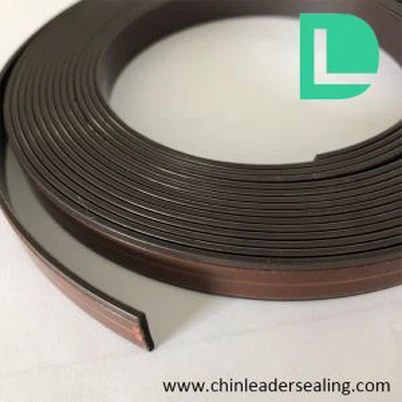

How should I store a wool pile seal?
Leave a message

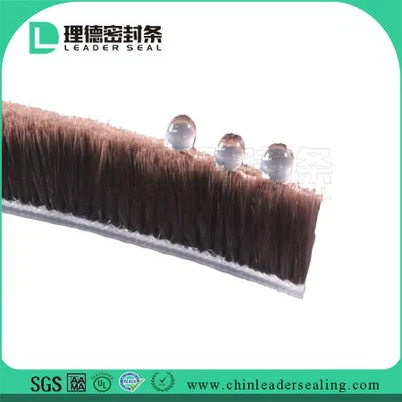
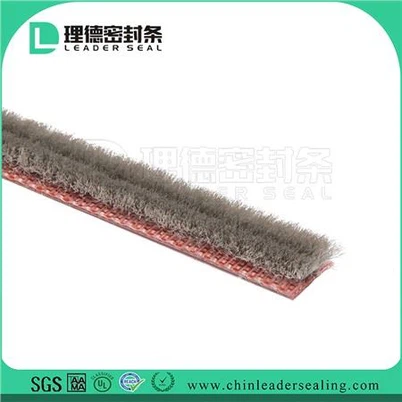
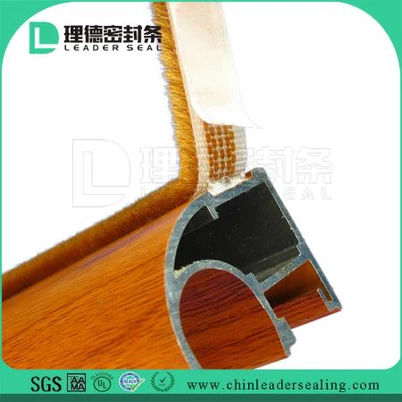
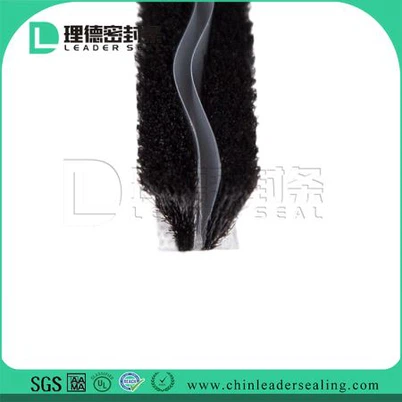
As a supplier of wool pile seals, I understand the importance of proper storage to maintain the quality and functionality of these products. Wool pile seals are commonly used in various applications, such as windows, doors, and other areas where sealing and insulation are required. In this blog post, I will share some essential tips on how to store wool pile seals effectively.


Understanding the Characteristics of Wool Pile Seals
Before delving into the storage methods, it's crucial to understand the properties of wool pile seals. Wool is a natural fiber known for its excellent insulation, durability, and flexibility. However, it is also susceptible to certain environmental factors, such as moisture, pests, and temperature fluctuations. These factors can potentially damage the wool fibers, leading to a decrease in the seal's performance and lifespan.
Ideal Storage Conditions
The ideal storage conditions for wool pile seals involve controlling temperature, humidity, and light exposure. Here are some key points to consider:
Temperature
Maintain a stable temperature in the storage area. Extreme temperatures can cause the wool fibers to expand or contract, which may lead to distortion or damage. A temperature range between 10°C and 30°C (50°F and 86°F) is generally recommended. Avoid storing the seals in areas that are subject to direct sunlight or near heat sources, such as radiators or heaters.
Humidity
Wool is hygroscopic, meaning it can absorb and retain moisture from the surrounding environment. High humidity levels can promote the growth of mold and mildew, which can damage the wool fibers and cause unpleasant odors. Aim to keep the relative humidity in the storage area between 30% and 60%. If the humidity is too high, consider using a dehumidifier to reduce the moisture content in the air.
Light Exposure
Prolonged exposure to sunlight can cause the wool fibers to fade and become brittle. Store the wool pile seals in a dark or dimly lit area to minimize light damage. If possible, use opaque storage containers or cover the seals with a light-blocking material.
Storage Containers
Choosing the right storage containers is essential for protecting wool pile seals. Here are some options to consider:
Plastic Containers
Plastic containers with tight-fitting lids are a popular choice for storing wool pile seals. They provide a protective barrier against dust, moisture, and pests. Make sure the containers are clean and dry before placing the seals inside. You can also add a desiccant packet to absorb any excess moisture.
Cardboard Boxes
Cardboard boxes can also be used for storage, but they are more porous than plastic containers and may not provide as much protection against moisture. If you choose to use cardboard boxes, line them with a plastic liner to prevent moisture from seeping in. Label the boxes clearly with the product name, quantity, and storage date.
Hanging Storage
For longer lengths of wool pile seals, hanging storage can be a convenient option. Use hooks or racks to hang the seals vertically, which helps prevent them from getting tangled or crushed. Make sure the hanging area is dry and well-ventilated.
Protection Against Pests
Pests, such as moths and carpet beetles, can be a significant threat to wool pile seals. These insects are attracted to the natural fibers in wool and can cause extensive damage if left untreated. Here are some tips to protect your seals from pests:
Clean the Storage Area
Before storing the wool pile seals, thoroughly clean the storage area to remove any dust, debris, or food particles that may attract pests. Vacuum the floors and shelves, and wipe down the surfaces with a damp cloth.
Use Pest Repellents
There are several natural and chemical pest repellents available that can help keep pests away from your wool pile seals. Some common natural repellents include cedar chips, lavender sachets, and eucalyptus oil. You can also use chemical repellents, such as mothballs or insecticides, but make sure to follow the instructions carefully and keep them out of reach of children and pets.
Inspect Regularly
Regularly inspect the stored wool pile seals for signs of pest damage, such as holes, fraying, or webbing. If you notice any signs of infestation, remove the affected seals immediately and treat the storage area to prevent the pests from spreading.
Handling and Transportation
Proper handling and transportation are also important to ensure the quality of wool pile seals. Here are some guidelines to follow:
Gentle Handling
When handling the wool pile seals, be gentle to avoid damaging the fibers. Avoid pulling or stretching the seals excessively, as this can cause them to lose their shape and effectiveness.
Protect During Transportation
If you need to transport the wool pile seals, make sure they are properly protected. Use padded boxes or containers to prevent them from being crushed or damaged during transit. If possible, transport the seals in a climate-controlled environment to maintain the ideal temperature and humidity conditions.
Conclusion
Proper storage of wool pile seals is essential for maintaining their quality and functionality. By following the tips outlined in this blog post, you can ensure that your seals remain in good condition and are ready for use when needed. Remember to control the temperature, humidity, and light exposure, choose the right storage containers, protect against pests, and handle and transport the seals carefully.
If you are interested in purchasing high-quality wool pile seals or have any questions about storage or usage, please feel free to contact us for a purchase negotiation. We offer a wide range of wool pile seal products, including Window Profile Weather Strip With PVC Fin, Waterproof Insertion Window Weather Brush, and Insert Wool Pile Weather Strip For windows and doors. Our team of experts is always ready to assist you with your sealing needs.
References
- "Wool: Properties and Characteristics." Textile Institute, https://www.textileinstitute.org/wool-properties-and-characteristics.
- "Storage and Care of Wool Products." The Woolmark Company, https://www.woolmark.com/consumer/care/storage-and-care-of-wool-products.
- "How to Store Wool Safely." Martha Stewart, https://www.marthastewart.com/272960/how-to-store-wool-safely.