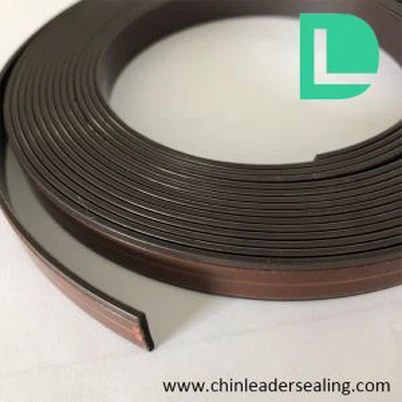

How do I protect a magnetic brush from corrosion?
Leave a message

As a magnetic brush supplier, I understand the significance of protecting these essential tools from corrosion. Corrosion can significantly degrade the performance and lifespan of magnetic brushes, leading to reduced efficiency and increased costs for our customers. In this blog post, I will share some effective strategies and best practices on how to protect a magnetic brush from corrosion, ensuring its long - term functionality and reliability.
Understanding the Causes of Corrosion in Magnetic Brushes
Before delving into the protection methods, it's crucial to understand what causes corrosion in magnetic brushes. Magnetic brushes are typically made of ferromagnetic materials such as iron, steel, or alloys, which are prone to oxidation when exposed to moisture, oxygen, and certain chemicals.


Moisture is one of the primary culprits. When water comes into contact with the metal surface of a magnetic brush, it can initiate a chemical reaction that leads to the formation of rust. Humid environments, direct contact with liquids, or condensation can all contribute to the presence of moisture on the brush.
Oxygen in the air also plays a role in the corrosion process. It reacts with the metal atoms on the surface of the brush, gradually eating away at the material. Additionally, exposure to chemicals such as acids, alkalis, and salts can accelerate the corrosion rate. These chemicals can be present in industrial environments, cleaning agents, or even in the surrounding atmosphere.
Protective Coatings
One of the most effective ways to protect a magnetic brush from corrosion is by applying a protective coating. There are several types of coatings available, each with its own advantages and applications.
Paint Coatings
Paint is a common and cost - effective option for protecting magnetic brushes. It forms a physical barrier between the metal surface and the surrounding environment, preventing moisture and oxygen from reaching the metal. When choosing a paint for a magnetic brush, it's important to select a high - quality, corrosion - resistant paint that can adhere well to the metal surface. Epoxy paints are often a good choice as they offer excellent chemical resistance and durability.
To apply the paint, the surface of the magnetic brush should be thoroughly cleaned and prepared. Any rust, dirt, or grease should be removed using a suitable cleaning agent and abrasive materials. Once the surface is clean and dry, the paint can be applied evenly using a brush, spray gun, or dip coating method. Multiple coats may be required to ensure a thick and uniform protective layer.
Galvanization
Galvanization is a process of coating the metal surface with a layer of zinc. Zinc is a more reactive metal than iron or steel, so when it is exposed to the environment, it corrodes first, sacrificing itself to protect the underlying metal. This sacrificial protection mechanism makes galvanized magnetic brushes highly resistant to corrosion.
There are two main types of galvanization: hot - dip galvanizing and electro - galvanizing. Hot - dip galvanizing involves immersing the magnetic brush in a bath of molten zinc, which results in a thick and durable zinc coating. Electro - galvanizing, on the other hand, uses an electric current to deposit a thin layer of zinc onto the metal surface. While electro - galvanizing provides a more uniform and aesthetically pleasing finish, hot - dip galvanizing offers better long - term corrosion protection.
Powder Coating
Powder coating is a modern and environmentally friendly alternative to traditional paint coatings. It involves applying a dry powder to the metal surface and then heating it to form a hard, protective layer. Powder coatings offer excellent adhesion, durability, and chemical resistance.
The powder coating process starts with the preparation of the magnetic brush surface, similar to paint coating. The powder is then electrostatically applied to the surface, ensuring even coverage. After that, the coated brush is placed in an oven where the powder melts and fuses to form a continuous film. Powder coatings come in a wide range of colors and finishes, allowing for customization according to the customer's requirements.
Proper Storage and Handling
In addition to protective coatings, proper storage and handling of magnetic brushes are essential for preventing corrosion.
Storage Conditions
Magnetic brushes should be stored in a dry, clean, and well - ventilated environment. Humidity levels should be kept low, ideally below 50%. If possible, the storage area should be temperature - controlled to avoid condensation. It's also a good idea to store the brushes in a sealed container or a cabinet to protect them from dust, dirt, and moisture.
Handling Precautions
When handling magnetic brushes, it's important to avoid contact with bare hands as the oils and salts on the skin can cause corrosion. Gloves should be worn at all times. Additionally, the brushes should be handled gently to prevent damage to the protective coating. If the coating is scratched or damaged, it should be repaired immediately to prevent corrosion from starting at the exposed metal areas.
Regular Maintenance and Inspection
Regular maintenance and inspection of magnetic brushes can help detect and prevent corrosion at an early stage.
Cleaning
Periodic cleaning of the magnetic brush is necessary to remove any dirt, dust, or debris that may accumulate on the surface. A mild cleaning agent can be used, followed by a thorough rinse with clean water. After cleaning, the brush should be dried completely to prevent moisture from remaining on the surface.
Inspection
Regular inspections should be carried out to check for signs of corrosion, such as rust spots, discoloration, or pitting. If any signs of corrosion are detected, appropriate measures should be taken immediately. This may include removing the corroded area, reapplying the protective coating, or replacing the brush if the damage is severe.
Applications and Related Magnetic Products
Magnetic brushes have a wide range of applications in various industries, such as manufacturing, electronics, and automotive. In addition to magnetic brushes, there are other magnetic products that are also important and require similar corrosion protection.
For example, Stanley Steel Entry Doors Magnetic Weatherstripping is used to seal doors and prevent air and water leakage. These magnetic weatherstrips are often exposed to the outdoor environment, so they need to be corrosion - resistant to ensure long - term performance.
Another related product is the Screen Window Magnetic Stripe, which is used to attach screen windows. These magnetic stripes are also prone to corrosion if not properly protected, especially in areas with high humidity or near the sea.
Magnetic Sealing Tape is commonly used in industrial applications for sealing containers and equipment. It is essential to protect this tape from corrosion to maintain its sealing effectiveness.
Conclusion
Protecting a magnetic brush from corrosion is crucial for maintaining its performance and extending its lifespan. By understanding the causes of corrosion, applying appropriate protective coatings, following proper storage and handling procedures, and conducting regular maintenance and inspection, we can ensure that our magnetic brushes remain in good condition.
As a magnetic brush supplier, we are committed to providing high - quality products and solutions to our customers. If you are interested in purchasing magnetic brushes or have any questions about corrosion protection, please feel free to contact us for more information and to start a procurement discussion. We look forward to serving you and meeting your magnetic brush needs.
References
- "Corrosion Science and Engineering" by R. Winston Revie
- "Handbook of Protective Coatings for Metals" by Kenneth J. Boyd