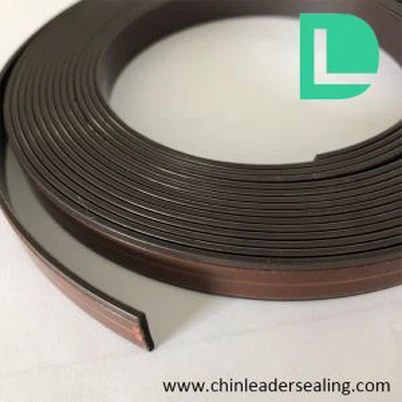

Does a door seal prevent drafts?
Leave a message

Does a Door Seal Prevent Drafts?
As a door seal supplier, I've been asked countless times whether a door seal can effectively prevent drafts. The short answer is yes, but there's a lot more to it than that. In this blog post, I'll delve into the science behind door seals, how they work to block drafts, and the different types available on the market.
The Science of Drafts
Before we understand how door seals work, it's essential to know what drafts are. Drafts are unwanted air movement in a building, typically caused by pressure differences between the inside and outside. These pressure differences can be due to temperature variations, wind, or mechanical ventilation systems. When there's a pressure difference, air will naturally flow from an area of high pressure to an area of low pressure. This movement of air can enter through gaps around doors, windows, and other openings in the building envelope, creating drafts.
Drafts can have several negative effects. They can make a room feel cold and uncomfortable, increase energy consumption as the heating or cooling system has to work harder to maintain the desired temperature, and even cause health issues such as respiratory problems and allergies by bringing in dust, pollen, and other pollutants.
How Door Seals Work
Door seals are designed to create a barrier between the inside and outside of a building, reducing the flow of air through gaps around the door. They work by filling the spaces between the door and the door frame, preventing air from leaking in or out. Most door seals are made of materials that are flexible and compressible, allowing them to conform to the shape of the door and frame and create a tight seal.
When a door is closed, the door seal is compressed between the door and the frame. This compression creates a seal that blocks the passage of air. The effectiveness of a door seal depends on several factors, including the quality of the material, the design of the seal, and how well it is installed.
Types of Door Seals
There are several types of door seals available, each with its own advantages and disadvantages. Here are some of the most common types:
- Weatherstripping: Weatherstripping is a flexible material that is applied around the perimeter of a door to seal gaps. It comes in various forms, such as adhesive-backed foam, rubber, and vinyl. Weatherstripping is relatively inexpensive and easy to install, making it a popular choice for DIY projects. For example, Low Height Widow Weather Stripping is a type of weatherstripping that is designed to fit in tight spaces and provide a good seal.
- Door Sweeps: Door sweeps are installed at the bottom of a door to seal the gap between the door and the floor. They can be made of rubber, vinyl, or bristles. Door sweeps are effective at preventing drafts and also help to keep out dirt, dust, and insects.
- Threshold Seals: Threshold seals are installed at the bottom of the door frame to seal the gap between the door and the threshold. They can be made of rubber, vinyl, or metal. Threshold seals are particularly useful for exterior doors, as they can prevent water from entering the building during rain or snow.
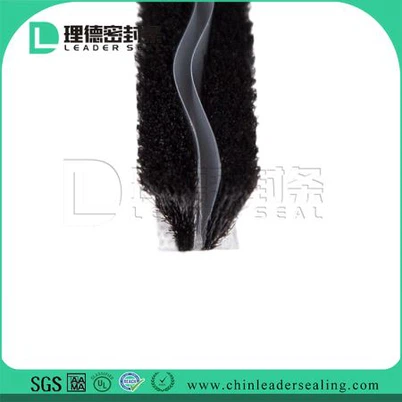
- Plastic Finned Door Pile Weatherstripping: Plastic Finned Door Pile Weatherstripping is a type of weatherstripping that consists of a pile of plastic fins. These fins create a barrier that blocks air and dust while allowing the door to open and close smoothly. It is durable and can withstand a lot of wear and tear.
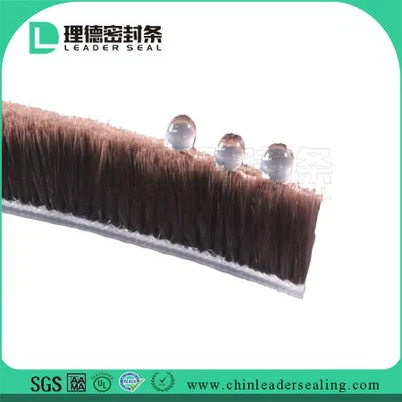
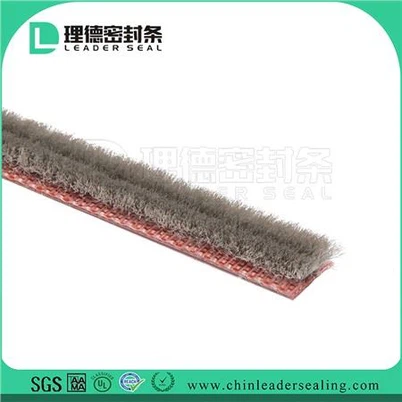
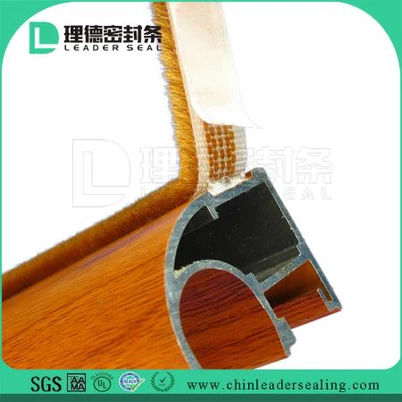
- Self Adhesive Sealing Brush Pile Weather Stripping: Self Adhesive Sealing Brush Pile Weather Stripping is another popular option. It has a brush-like pile that provides a good seal and is easy to install due to its self-adhesive backing.
Factors Affecting the Effectiveness of Door Seals
While door seals can significantly reduce drafts, their effectiveness can be influenced by several factors:


- Quality of the Seal: Higher-quality door seals are generally more effective at preventing drafts. They are made of better materials that are more durable and have better sealing properties.
- Installation: Proper installation is crucial for the effectiveness of a door seal. If the seal is not installed correctly, there may be gaps or areas where air can leak through.
- Condition of the Door and Frame: If the door or frame is damaged or warped, it can be difficult to create a tight seal. In such cases, it may be necessary to repair or replace the door or frame before installing a door seal.
- Age of the Seal: Over time, door seals can wear out and lose their effectiveness. It's important to regularly inspect and replace door seals as needed to ensure they continue to provide a good seal.
Benefits of Using Door Seals
Using door seals to prevent drafts offers several benefits:
- Energy Savings: By reducing the amount of air leakage, door seals can help to lower energy consumption. This can result in significant cost savings on heating and cooling bills over time.
- Improved Comfort: A draft-free environment is more comfortable, as it helps to maintain a consistent temperature and reduces cold spots in the room.
- Noise Reduction: Door seals can also help to reduce noise transmission from the outside, creating a quieter and more peaceful indoor environment.
- Enhanced Indoor Air Quality: By preventing the entry of dust, pollen, and other pollutants, door seals can improve the air quality inside the building, which is beneficial for health.
Conclusion
In conclusion, door seals are an effective way to prevent drafts and improve the energy efficiency, comfort, and indoor air quality of a building. As a door seal supplier, I can attest to the many benefits that door seals offer. Whether you're looking to save on energy costs, make your home more comfortable, or reduce noise, there's a door seal that can meet your needs.
If you're interested in purchasing door seals for your home or business, I encourage you to contact me. I can help you choose the right type of door seal for your specific requirements and provide you with professional installation services. Let's work together to create a draft-free and comfortable environment.
References
- ASHRAE Handbook - Fundamentals. American Society of Heating, Refrigerating and Air-Conditioning Engineers.
- Building Science Corporation. "Understanding Air Sealing."
- Energy Star. "Weatherize Your Home."