
Can I use weather strips on a garage door?
Leave a message

Can I use weather strips on a garage door? You bet! As a weather strip supplier, I've seen firsthand the amazing benefits that weather strips can bring to garage doors. Let's dive into this topic and explore why you should consider using weather strips on your garage door.
Why Use Weather Strips on a Garage Door?
First off, let's talk about the problems that a garage door without proper weather stripping can face. Garages are often like the forgotten rooms of our homes. They're not usually as insulated as the main living areas, and a poorly sealed garage door can lead to a whole bunch of issues.
One of the biggest problems is energy loss. During the hot summer months, cool air from your home can seep out through the gaps in the garage door, making your air - conditioner work harder. In winter, warm air can escape, and cold drafts can come in. This not only makes your garage uncomfortable but also increases your energy bills.
Weather strips act as a barrier against the elements. They help to keep out rain, snow, dust, and pests. Imagine coming into your garage on a rainy day and finding a dry floor because the weather strips did their job. Or not having to worry about mice or insects sneaking in through the gaps in the door.
Types of Weather Strips Suitable for Garage Doors
There are several types of weather strips that work well for garage doors.
Foam Weather Seals
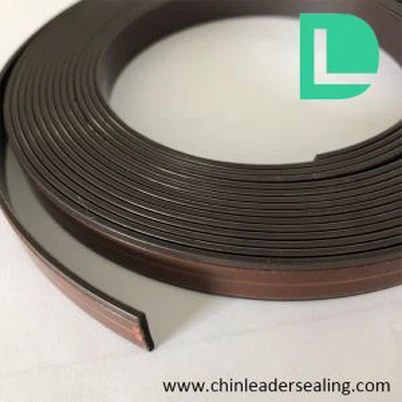
Foam weather seals are a popular choice. They're soft, flexible, and can easily conform to the shape of the garage door. These seals are great for blocking out air and dust. You can find a variety of foam weather seals, like the Waterproof Door Seals Weather Seal. They come in different thicknesses and sizes, so you can choose the one that best fits your garage door.
Brush Weather Strips
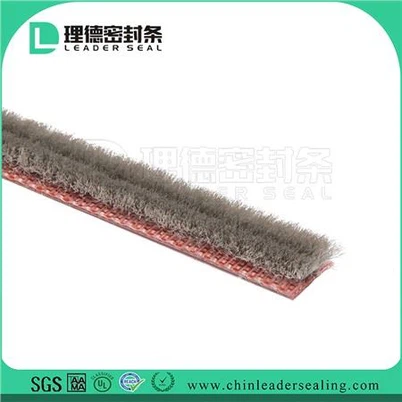
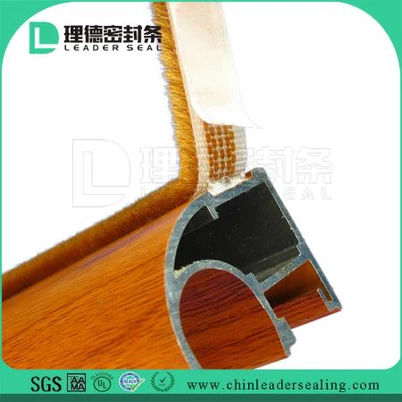
Brush weather strips are another option. They consist of a row of bristles that create a barrier. These are especially good for keeping out pests. The Waterproof Insertion Window Weather Brush can also be used on garage doors. The bristles can flex as the door opens and closes, providing a continuous seal.
PVC - Fin Weather Strips
PVC - fin weather strips are durable and long - lasting. They have a thin PVC fin that creates a tight seal against the door frame. The Window Profile Weather Strip With PVC Fin can be a great choice for garage doors as well. They're resistant to wear and tear, and can withstand harsh weather conditions.
How to Install Weather Strips on a Garage Door
Installing weather strips on a garage door isn't rocket science. Here's a step - by - step guide:
- Measure the Door: First, measure the length and width of the garage door where you'll be installing the weather strips. This will help you determine how much material you need.
- Clean the Surface: Make sure the surface of the door and the door frame are clean and free of dirt, grease, and old adhesive. You can use a mild detergent and a cloth to clean them.
- Cut the Weather Strips: Using a sharp utility knife, cut the weather strips to the appropriate length. Make sure to measure twice and cut once to avoid any mistakes.
- Install the Weather Strips: For foam and brush weather strips, you can usually just peel off the backing and stick them to the door. For PVC - fin weather strips, you may need to use screws or nails to secure them in place. Start at one end of the door and work your way to the other, making sure the weather strip is straight and firmly attached.
Maintenance of Weather Strips on Garage Doors
Once you've installed the weather strips on your garage door, a little maintenance goes a long way.
- Regular Cleaning: Every few months, clean the weather strips with a mild soap and water solution. This will remove any dirt or debris that may have accumulated on them.
- Inspect for Damage: Check the weather strips for any signs of wear and tear, such as cracks, tears, or loose parts. If you notice any damage, replace the affected part of the weather strip as soon as possible.
- Re - seal if Necessary: Over time, the adhesive on foam weather strips may start to lose its stickiness. You can use a suitable adhesive to re - attach them if needed.
Cost - Benefit Analysis of Using Weather Strips on Garage Doors
When it comes to the cost of weather strips, they're actually quite affordable. The price can vary depending on the type, size, and quality of the weather strip. But in the long run, the savings on energy bills and the protection they provide for your garage make them a great investment.
Think about it. By reducing energy loss, you'll see a noticeable decrease in your heating and cooling costs. And not having to deal with water damage, pest infestations, or a dirty garage floor can save you a lot of money on repairs and cleaning.
Conclusion
So, can you use weather strips on a garage door? Absolutely! Whether you're looking to save on energy, keep out the elements, or protect your garage from pests, weather strips are a great solution. As a weather strip supplier, I've helped many customers transform their garages with the right weather strips.
If you're interested in purchasing weather strips for your garage door or have any questions about which type is best for you, don't hesitate to reach out. We're here to help you make the right choice and ensure that your garage is well - protected. Contact us to start a procurement discussion and find the perfect weather strips for your needs.


References
- "Home Improvement: Garage Door Weatherization" - DIY Home Magazine
- "Weather Stripping Guide for Residential Buildings" - National Building Association