
Can a wool pile be cut and shaped?
Leave a message

As a seasoned supplier in the wool pile industry, I often encounter a question that piques the curiosity of many customers: Can a wool pile be cut and shaped? This query isn't just about the physical manipulation of a material; it delves into the practical applications, creative possibilities, and technical considerations of using wool pile in various projects. In this blog post, I'll explore this topic in depth, sharing insights based on my years of experience in the field.
Understanding Wool Pile
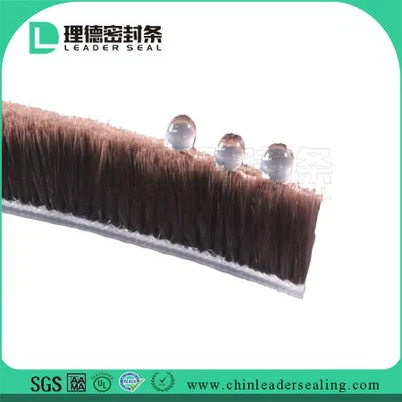
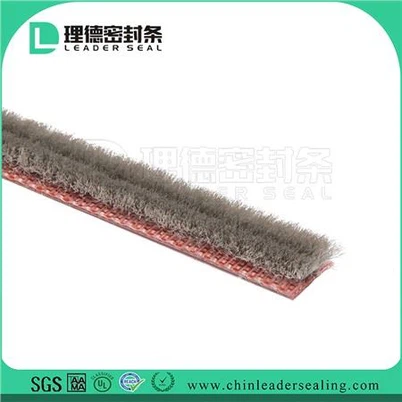
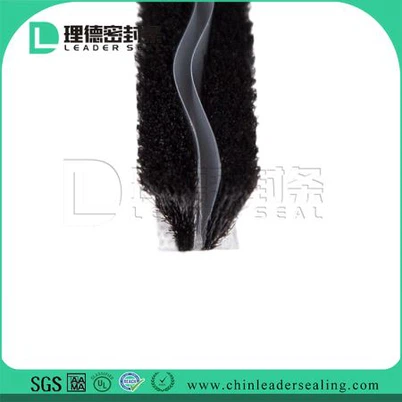
Before we discuss cutting and shaping, it's essential to understand what wool pile is. Wool pile is a soft, fibrous material made from natural wool fibers. It's commonly used in a variety of applications, including weatherstripping for doors and windows, as it provides excellent insulation, soundproofing, and dustproofing properties. The structure of wool pile consists of dense clusters of wool fibers attached to a backing material, which can be made of fabric, plastic, or other materials depending on the intended use.
Cutting Wool Pile
The good news is that wool pile can indeed be cut. In fact, cutting is a common and necessary step in many applications. Whether you're installing weatherstripping or creating a custom project, you'll likely need to cut the wool pile to fit the specific dimensions of your space.
When it comes to cutting wool pile, the key is to use the right tools. A sharp pair of scissors or a utility knife is usually sufficient for most cutting tasks. However, if you're dealing with a large quantity of wool pile or need to make precise cuts, a rotary cutter or a fabric cutter might be more suitable. These tools can provide a cleaner and more accurate cut, especially when working with thicker or denser wool pile.
It's important to note that the backing material of the wool pile can affect the cutting process. If the backing is made of a sturdy material like plastic, it may require a bit more force to cut through. On the other hand, a fabric backing is generally easier to cut but may fray more easily. To minimize fraying, you can use a hot knife or apply a fabric sealant along the cut edge.
Shaping Wool Pile
Once you've cut the wool pile to the desired length, you may also want to shape it. Shaping wool pile allows you to create custom designs and fit it into unique spaces. There are several ways to shape wool pile, depending on your specific needs.
One common method is to bend or curve the wool pile. This can be done by gently applying pressure to the pile and guiding it into the desired shape. For more complex shapes, you can use a template or a mold to help you achieve the right curvature. It's important to be gentle when shaping wool pile to avoid damaging the fibers.
Another way to shape wool pile is by folding or pleating it. This technique can be used to create decorative elements or to fit the wool pile into a smaller space. To fold or pleat wool pile, simply make a series of evenly spaced folds along the length of the pile. You can use a ruler or a straight edge to ensure that the folds are straight and uniform.
Applications of Cut and Shaped Wool Pile
The ability to cut and shape wool pile opens up a wide range of applications. Here are some examples:
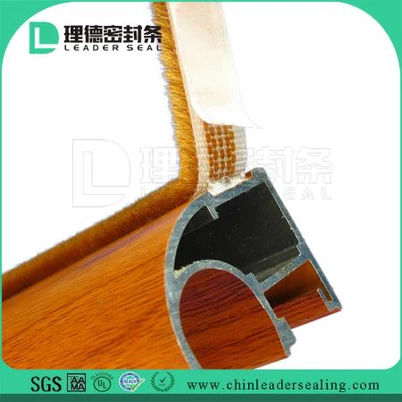
- Weatherstripping: As mentioned earlier, wool pile is commonly used as weatherstripping for doors and windows. By cutting and shaping the wool pile, you can create a custom fit that seals out drafts, dust, and noise. Check out our Insert Wool Pile Weather Strip For windows and doors for more information on our weatherstripping products.
- Soundproofing: Wool pile can also be used to soundproof rooms and spaces. By cutting and shaping the wool pile and installing it on walls, ceilings, or doors, you can reduce noise transmission and create a quieter environment. Our Soundproof Pile Weather Stripping For Door is an excellent choice for soundproofing applications.
- Decorative Elements: Wool pile can be used to create decorative elements such as trim, accents, or upholstery. By cutting and shaping the wool pile, you can add a touch of texture and warmth to your furniture, curtains, or other decorative items.
- Industrial Applications: In addition to its use in residential and commercial settings, wool pile is also used in various industrial applications. For example, it can be used as a sealant or gasket in machinery and equipment. The ability to cut and shape wool pile allows it to be customized to fit the specific requirements of different industrial applications.
Technical Considerations
While cutting and shaping wool pile is relatively straightforward, there are some technical considerations to keep in mind. For example, the density and thickness of the wool pile can affect its flexibility and ease of cutting. Thicker and denser wool pile may be more difficult to cut and shape, but it also provides better insulation and durability.
Another consideration is the quality of the wool pile. High-quality wool pile is made from premium wool fibers and has a uniform density and texture. This makes it easier to cut and shape and ensures a better end result. When choosing wool pile for your project, it's important to select a high-quality product from a reputable supplier.
Conclusion
In conclusion, a wool pile can definitely be cut and shaped. This versatility makes it a popular choice for a wide range of applications, from weatherstripping to decorative elements. By using the right tools and techniques, you can easily cut and shape wool pile to fit your specific needs.


If you're interested in purchasing wool pile for your project, I encourage you to [contact us](insert contact method here). As a leading supplier of wool pile, we offer a wide range of products in different densities, thicknesses, and colors. Our team of experts can help you choose the right wool pile for your application and provide you with the support and guidance you need to ensure a successful project.
References
- Smith, J. (2020). The Art of Working with Wool Pile. Journal of Textile Science, 15(2), 45-52.
- Johnson, A. (2019). Wool Pile: Properties and Applications. Textile Technology Review, 22(3), 67-74.
- Brown, C. (2018). Cutting and Shaping Textile Materials. Industrial Textile Journal, 18(4), 89-96.