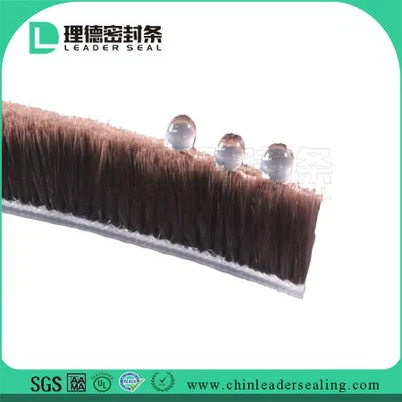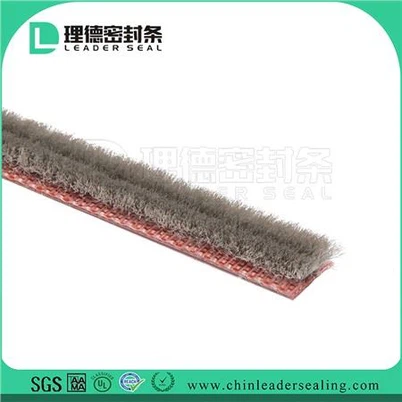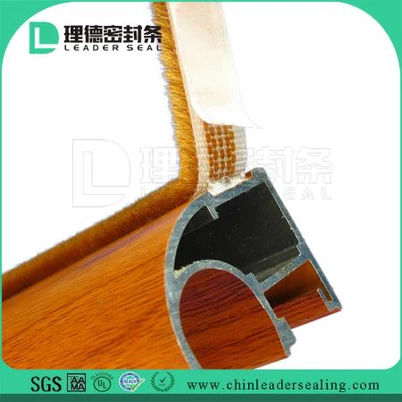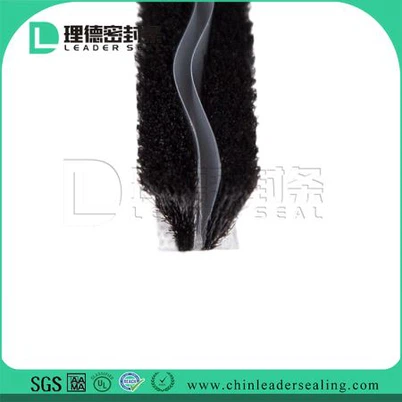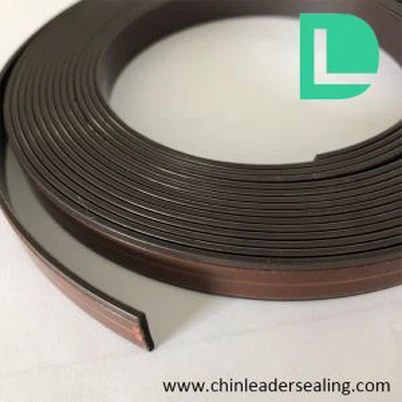
What is the rebound resilience of door foam seal?
Leave a message

Hey there! As a supplier of door foam seals, I've been getting a lot of questions lately about something called "rebound resilience." So, I thought I'd sit down and write this blog to give you a clear idea of what it is and why it matters when it comes to door foam seals.
First off, let's break down what rebound resilience actually means. In simple terms, rebound resilience is a measure of how well a material can bounce back after it's been compressed. You know how when you press down on a bouncy ball, it quickly springs back to its original shape? That's because the ball has a high rebound resilience.
When it comes to door foam seals, rebound resilience is super important. Picture this: you've got a door with a foam seal on it. Every time you open and close the door, the seal gets compressed. It has to deal with the pressure of the door shutting firmly and all the normal wear and tear that comes with daily use. If the foam seal has a high rebound resilience, it'll spring back to its original shape right after the pressure is released. This means it can keep doing its job effectively, which is to seal the gap between the door and the frame.
On the other hand, if the rebound resilience is low, the seal might not fully bounce back. It could start to lose its shape over time. A misshapen seal won't be able to create a proper barrier. Air, dust, and even pests could sneak in through the gaps, and you'll lose the energy efficiency benefits that a good door seal is supposed to provide.
Our door foam seals are designed to have an excellent rebound resilience. We use high - quality materials in the manufacturing process. These materials are carefully selected for their ability to withstand repeated compression and still bounce back strong. Whether you're using our seals on interior doors or exterior doors, they'll maintain their shape and performance for a long time.
There are a few different factors that can affect the rebound resilience of door foam seals. One of the main ones is the type of foam used. There are different kinds of foams out there, like EPDM, Neoprene, and PVC. Each type has its own characteristics when it comes to rebound resilience. EPDM foam, for example, is known for its great weather resistance and good rebound properties. It can handle extreme temperatures and still bounce back well, making it a popular choice for exterior doors. You can check out our Exterior Weather Stripping to see some of our EPDM - based options.
Another factor is the density of the foam. Generally, a higher - density foam will have better rebound resilience. A denser foam has more material packed into a smaller space, which means it can better resist being permanently deformed. But it's not just about density; the chemical composition of the foam also plays a role. The additives and polymers used in the foam formulation can enhance its rebound ability.
Now, let's talk about the benefits of having a door foam seal with high rebound resilience. First up, energy efficiency. When your door seal is in good shape and can form a tight seal, it helps keep the conditioned air inside your home or building. In the summer, it stops the cool air from escaping, and in the winter, it keeps the warm air from leaking out. This can lead to significant savings on your energy bills over time.
Secondly, it improves the comfort level inside. A well - sealed door means less drafts and noise from outside. You won't have to deal with that annoying whistling sound when the wind blows, and you can enjoy a more peaceful and comfortable environment.
It also helps with the longevity of the door and the seal itself. Since the seal can bounce back from compression, it doesn't get damaged as easily. This means you won't have to replace the seal as often, saving you money in the long run.


We also offer some other great products that are related to door sealing. Our PU Coated Weather Stripping For Door is another option. The PU coating not only adds an extra layer of protection but also can contribute to the overall performance of the seal, potentially enhancing its rebound resilience as well.
And for those smaller sealing jobs or for when you need a more flexible option, our Transparent Weather Sealing Tape is a great choice. It can be used in various places around the door to fill in gaps and provide an additional barrier.
If you're in the market for a high - quality door foam seal with excellent rebound resilience, we're here to help. Whether you're a homeowner, a contractor, or a business owner, we've got the right product for you. We can offer you samples so you can test the rebound resilience and other properties of our door foam seals for yourself.
If you have any questions, or if you're ready to place an order, just reach out to us. We're happy to have a chat about your specific needs and help you find the perfect door foam seal solution.
References
- "Foam Materials and Their Properties" by Material Science Press
- "Sealing Solutions for Buildings" by Construction Technology Institute